

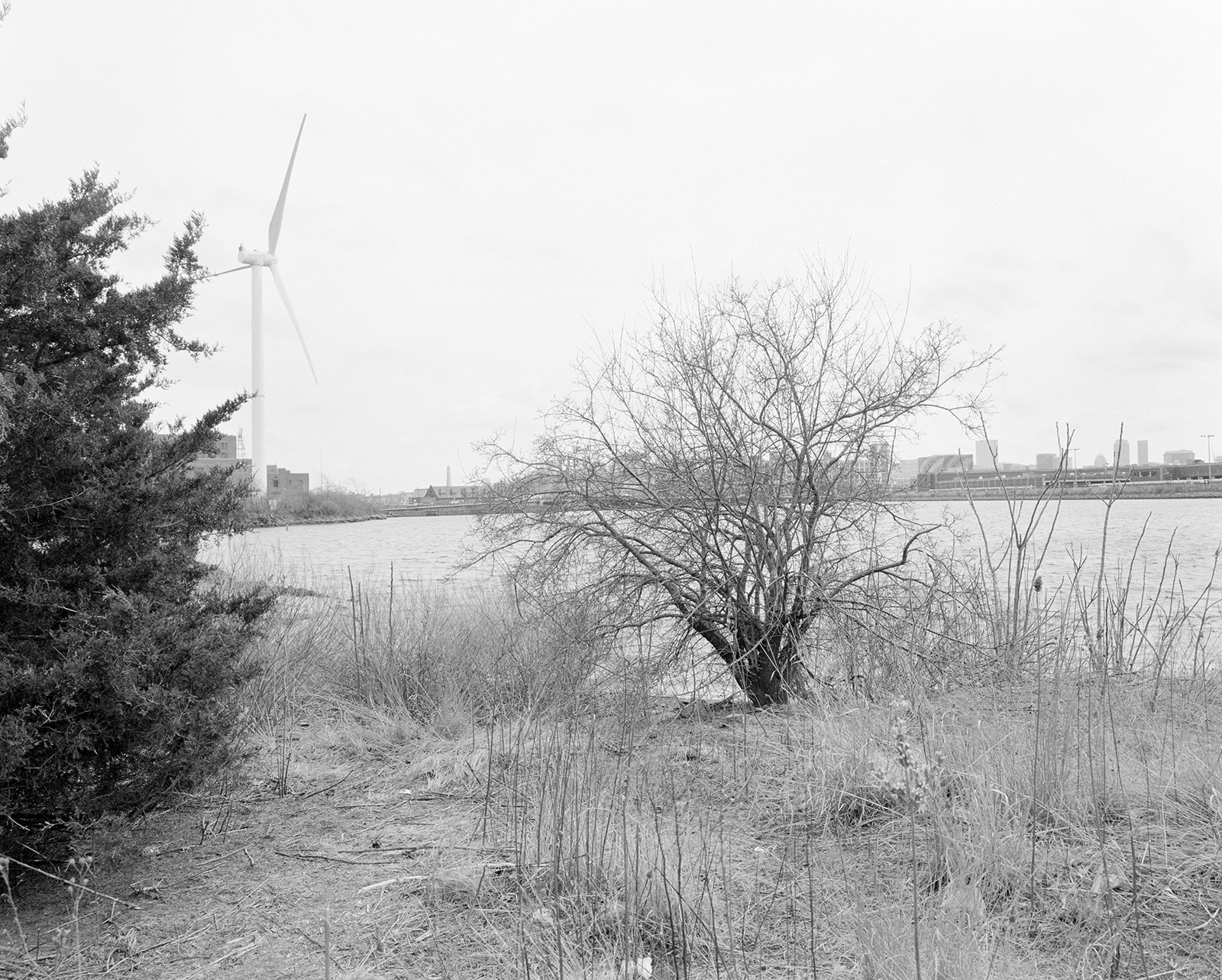
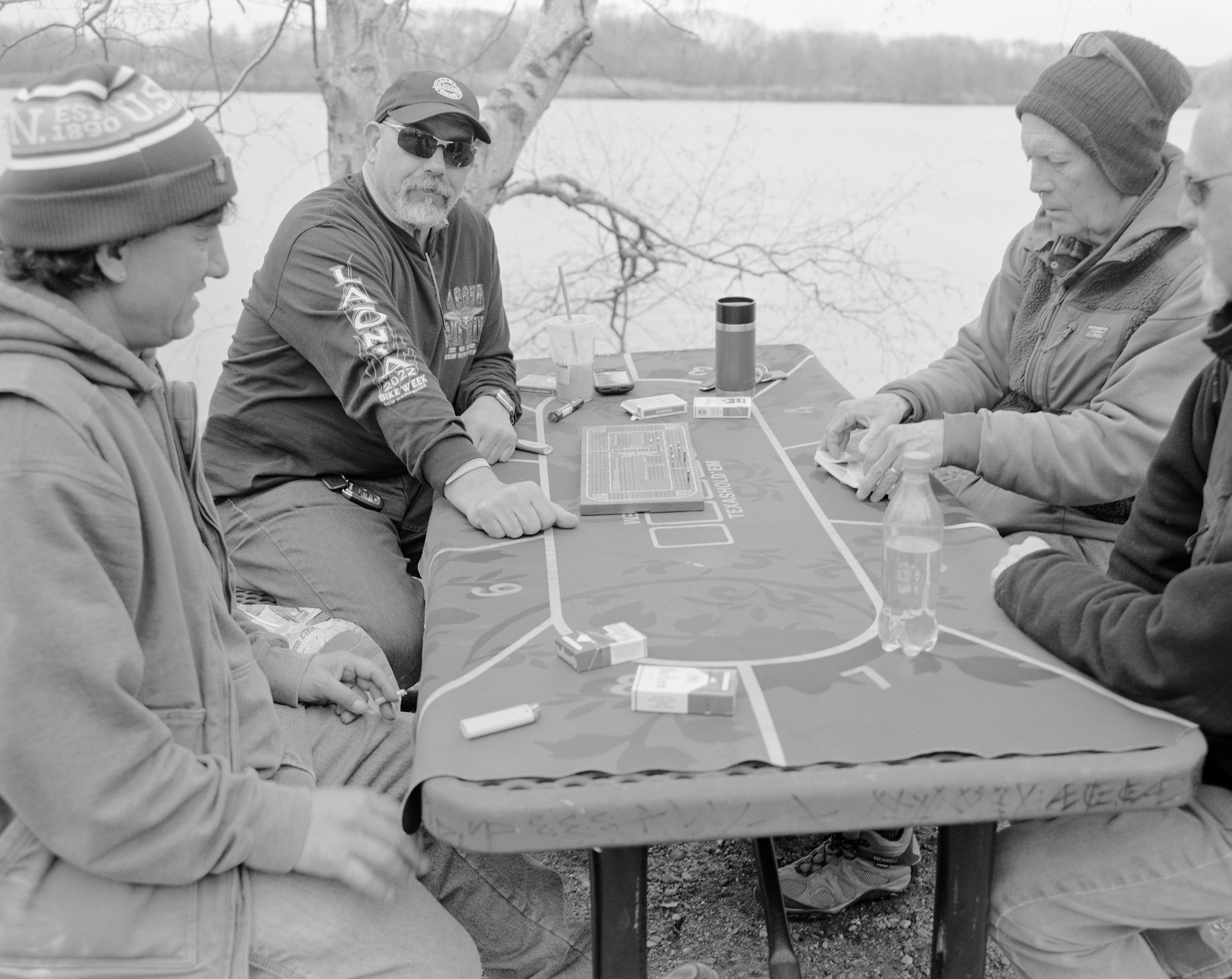
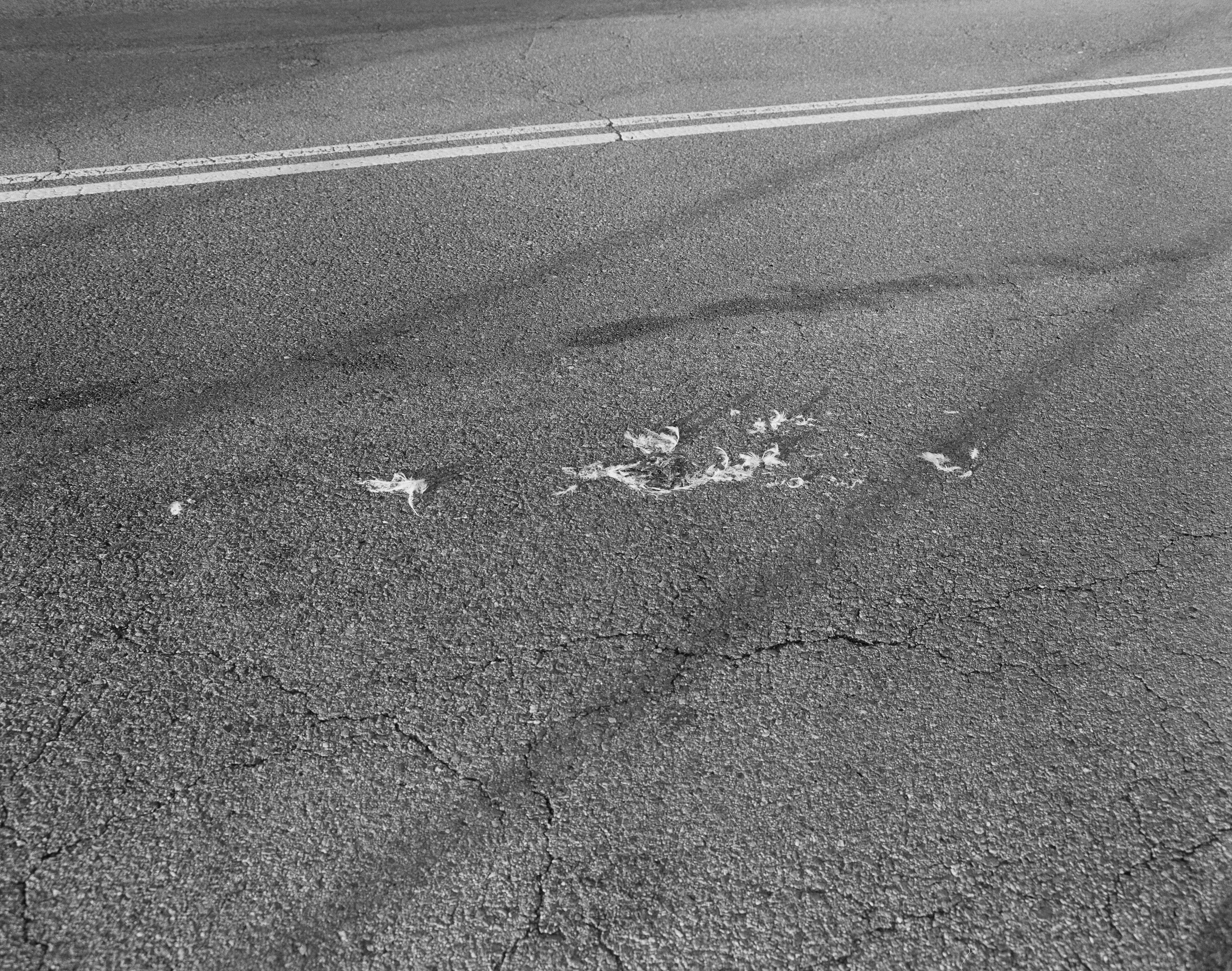
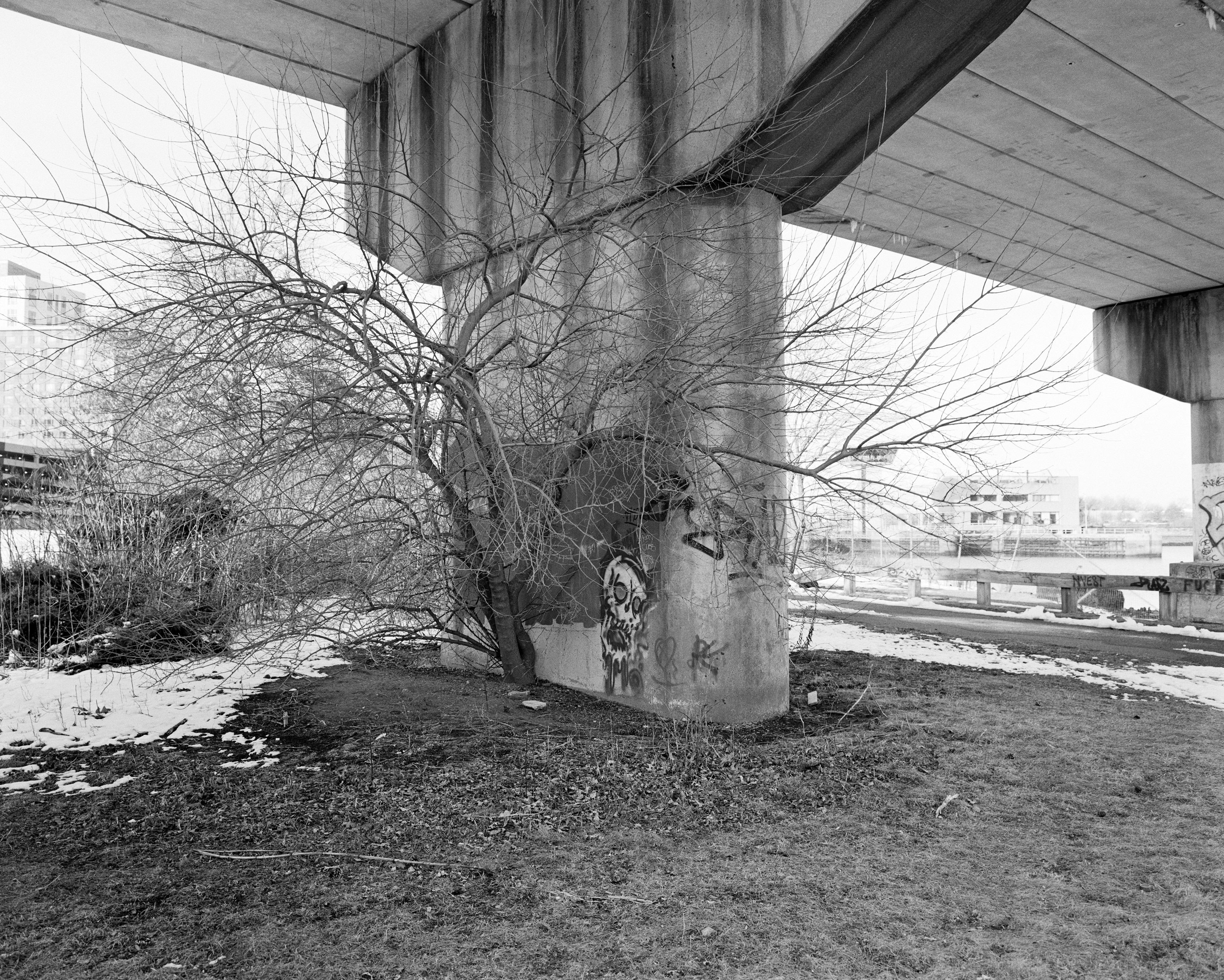

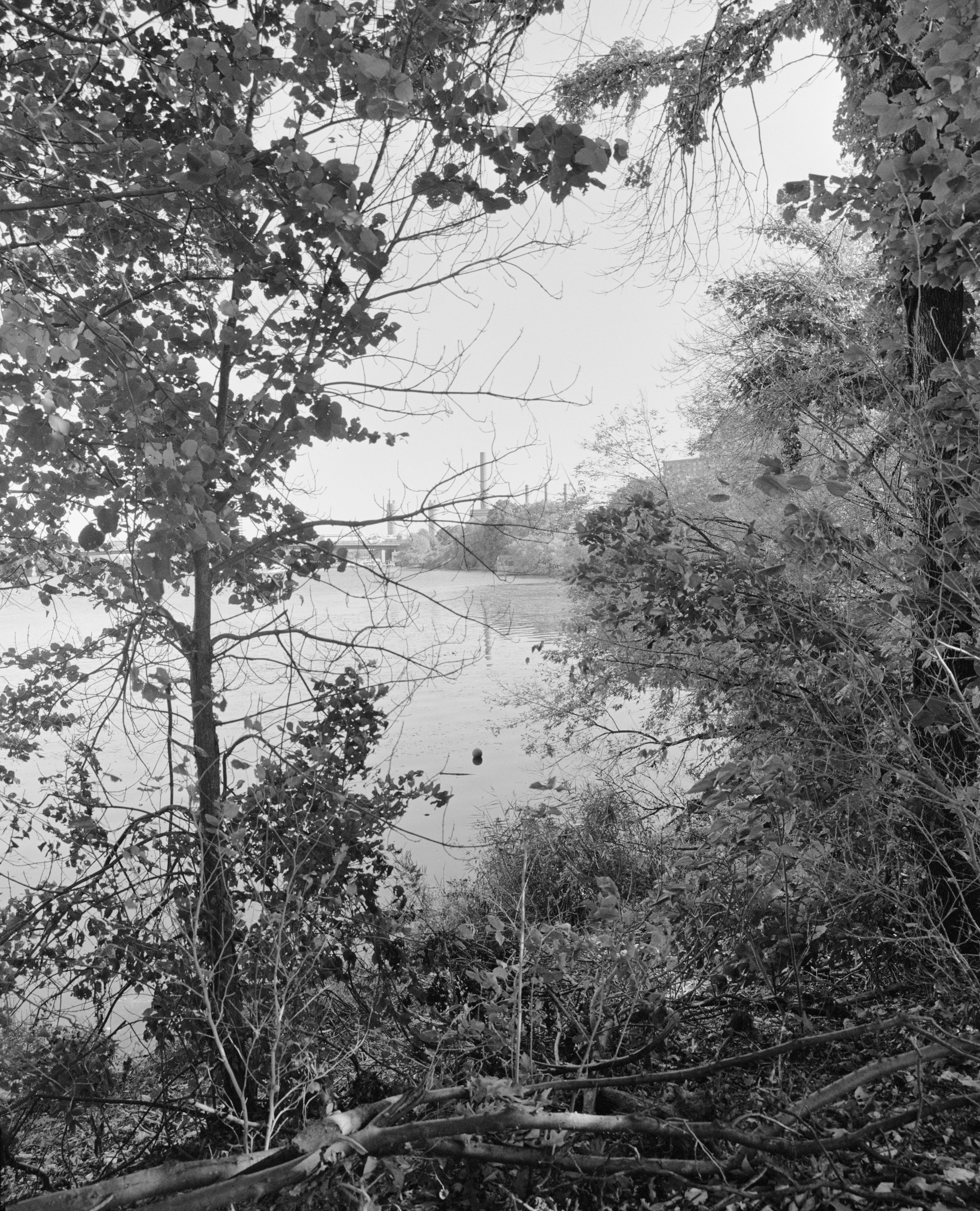
The Mystic River of Massachusetts begins in the Lower Mystic Lake and flows seven miles, meeting the Charles River and ending in the Boston Harbor. Before the adjoining land was stolen by colonists in the 17th century, the river was called the missi-tuk. This phrase used by the native Massachusett, Pawtucket, and Nipmuc peoples can be translated to “great tidal river”, “large estuary”, or “river whose waters are driven by waves”. Missi-tuk happens to have a phonetic resemblance to the English word mystic, which can be defined as “someone who believes in the spiritual apprehension of truths that are beyond intellect”. The river’s current name is based entirely on this coincidence.
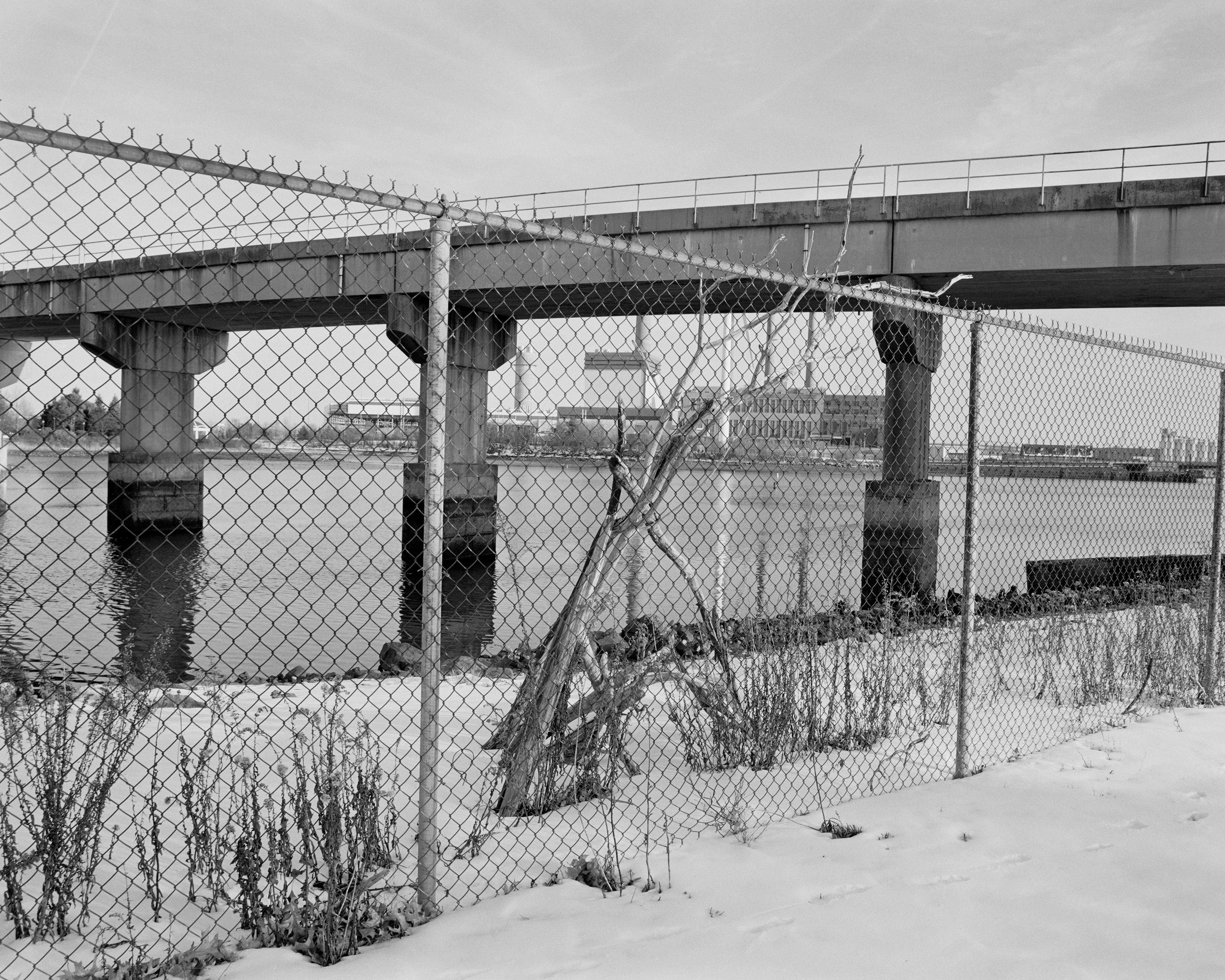
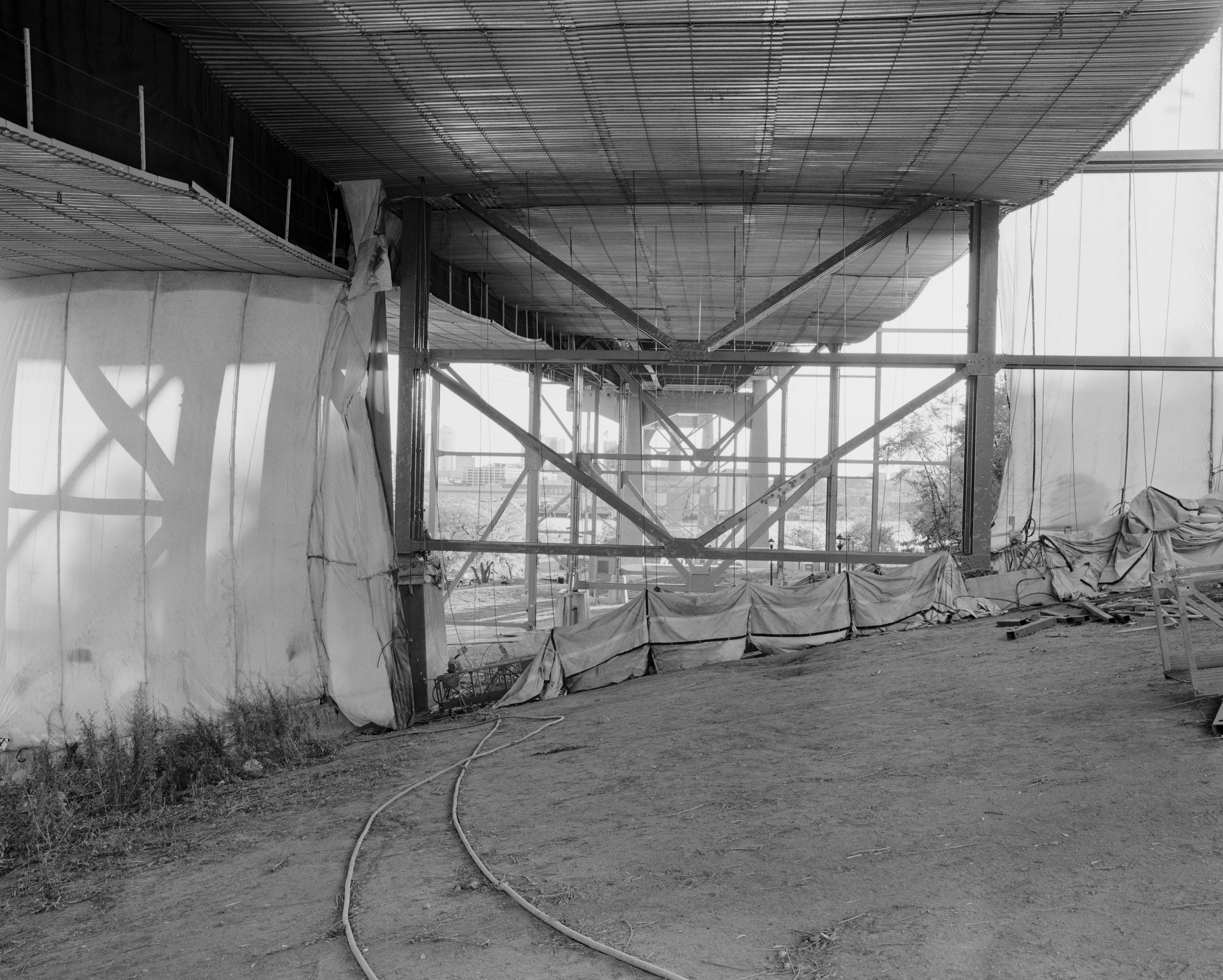
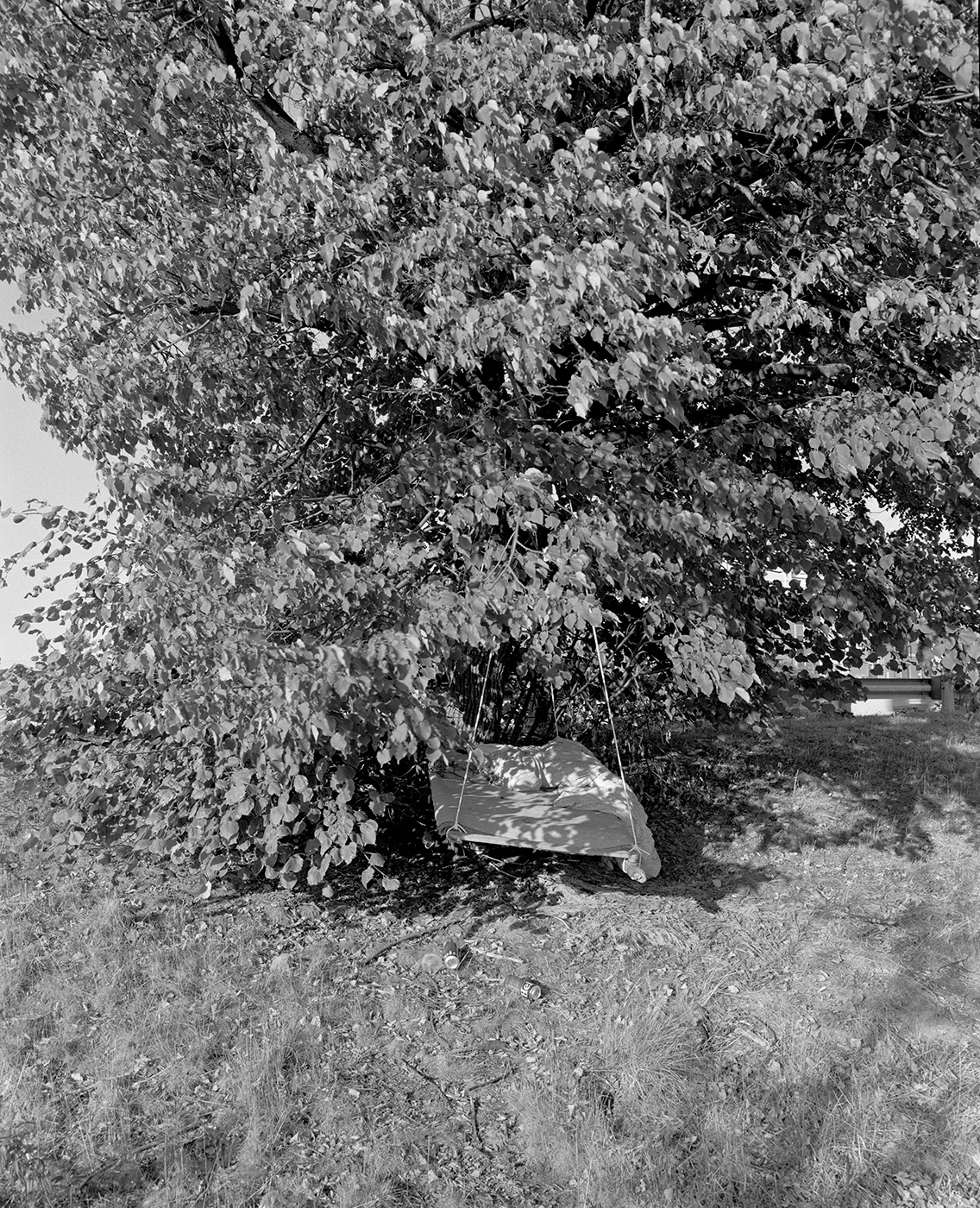
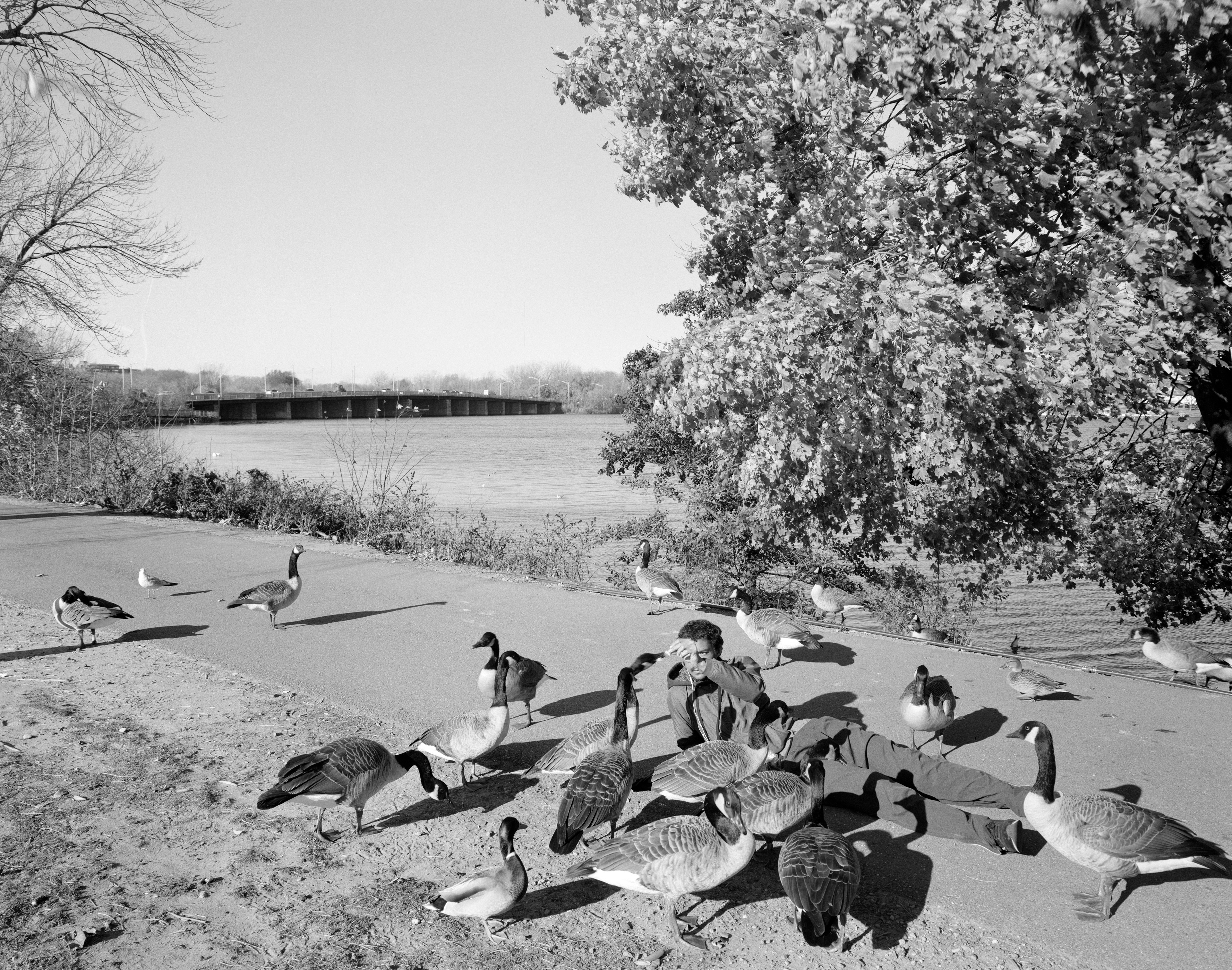
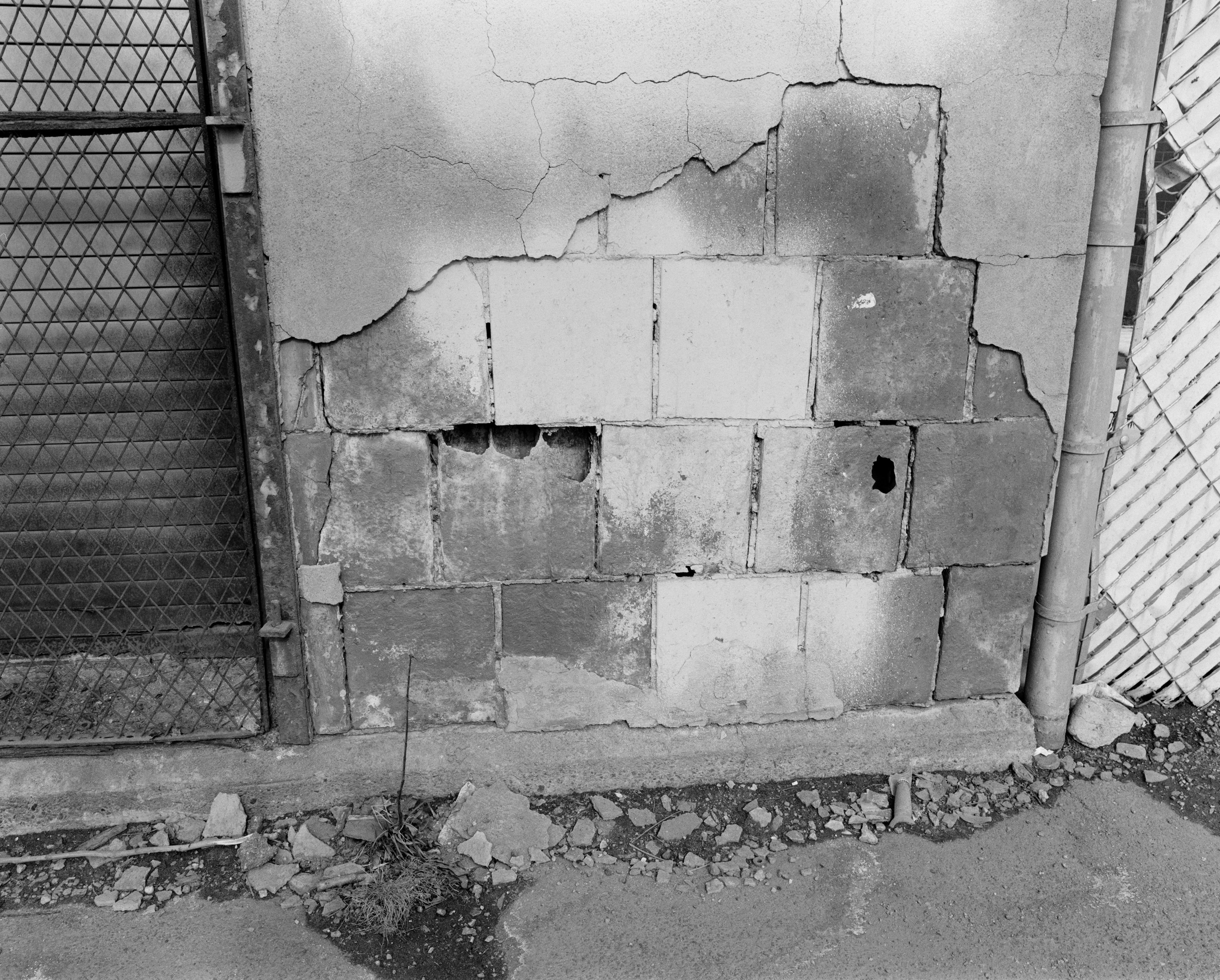
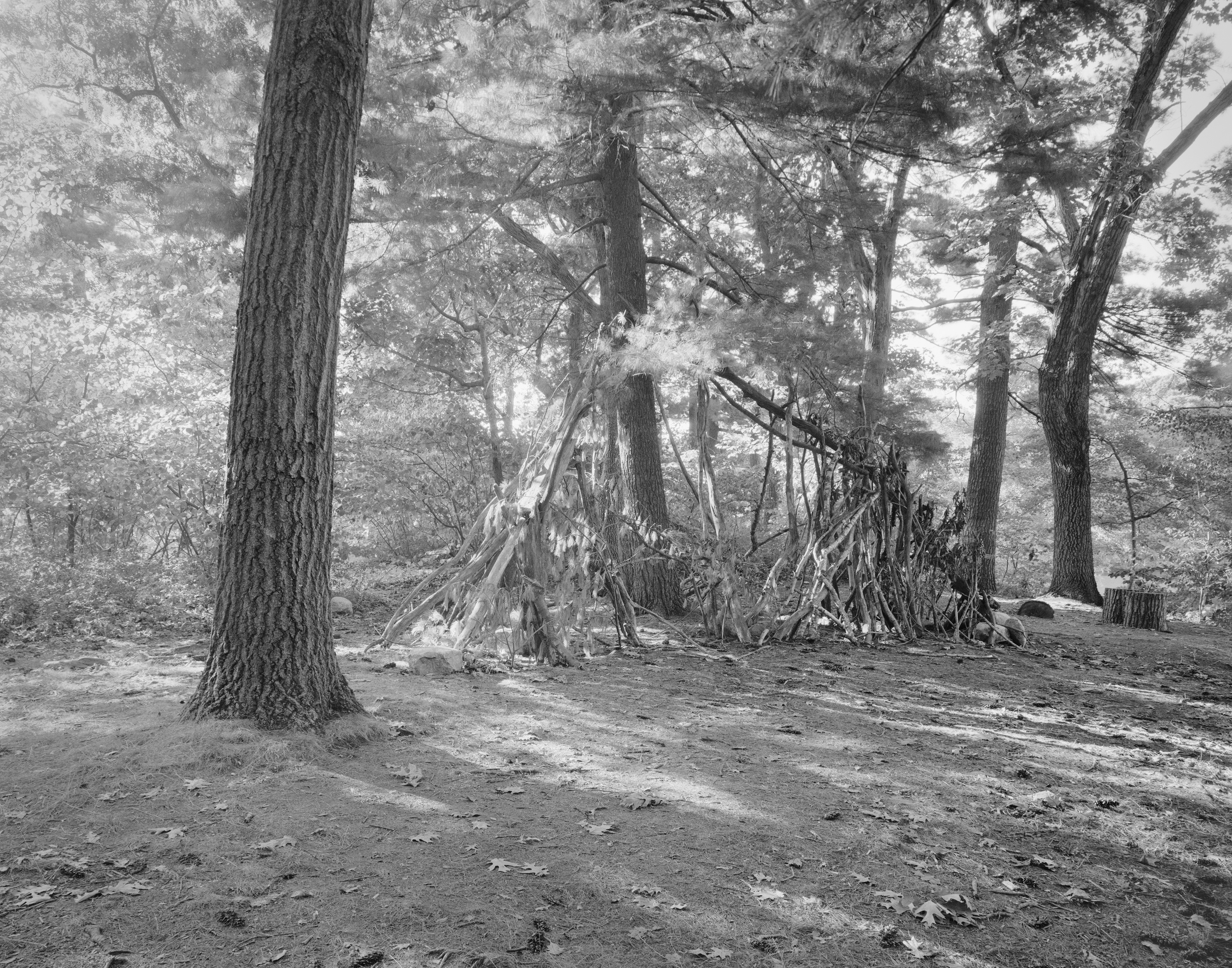
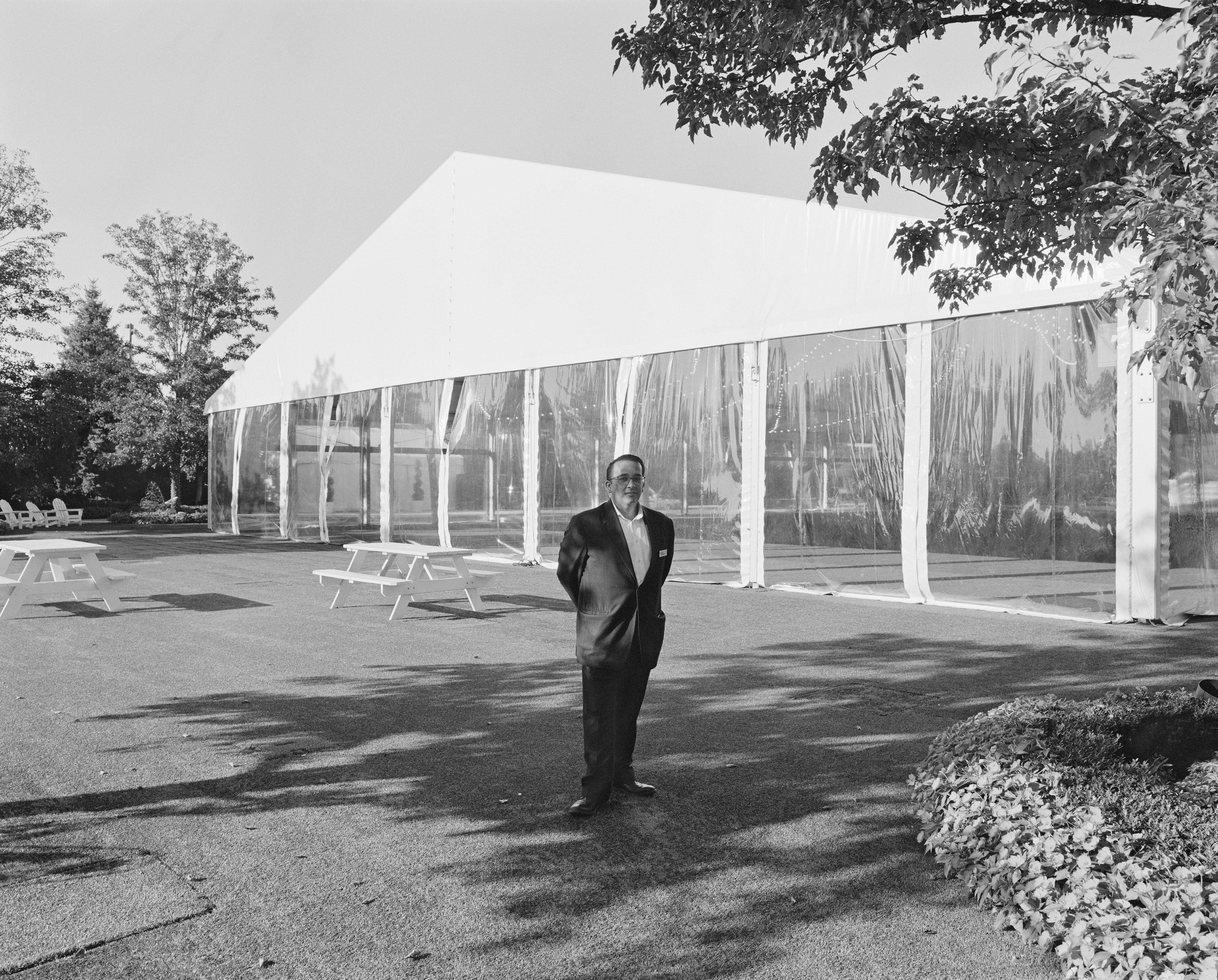
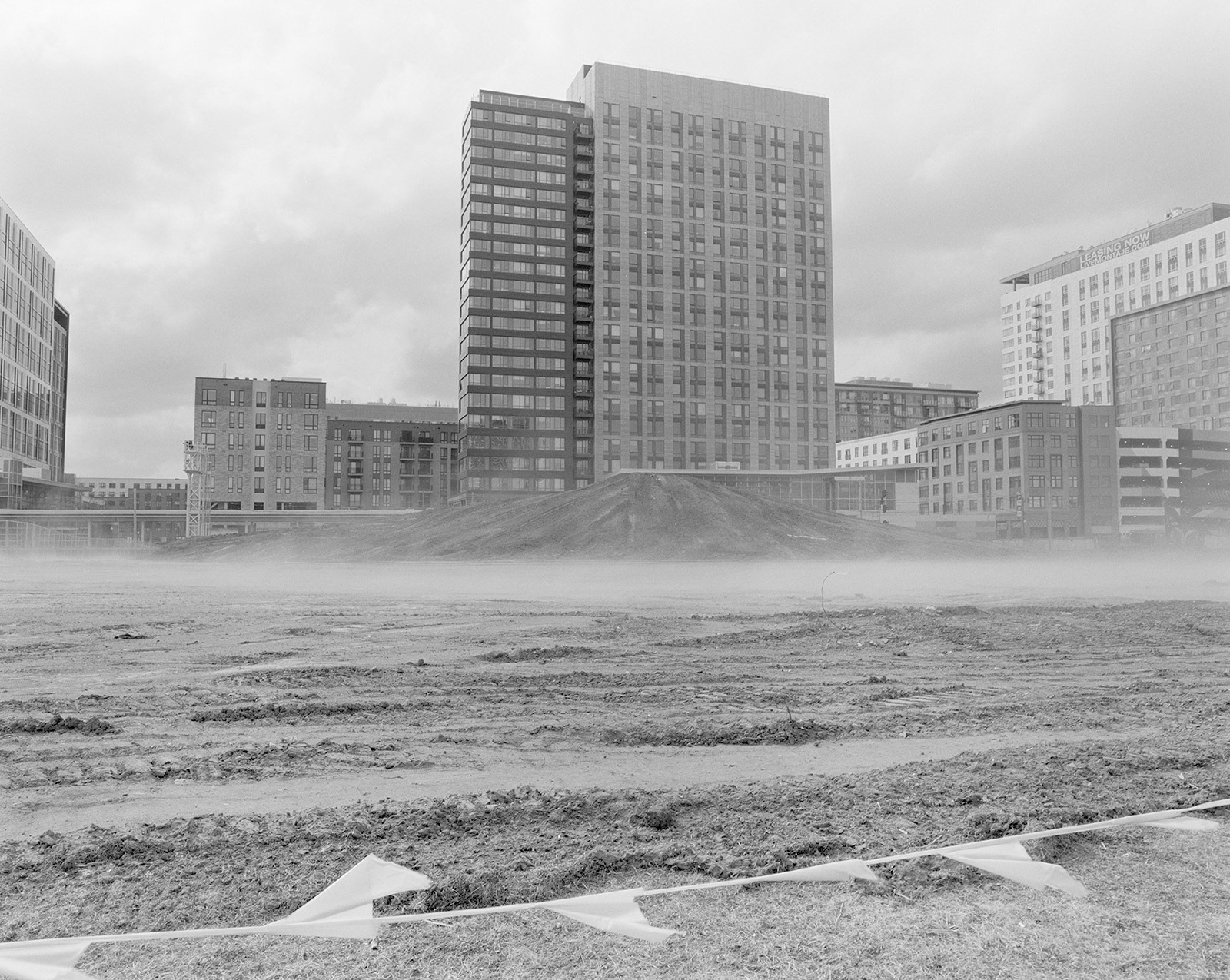
Today the Mystic River is surrounded by signs of progress – urban infrastructure, family-friendly neighborhoods, conservation parks – but alongside these constructions are evidence of degradation and displacement. After decades of interventions, what was once a “great tidal river” has been left a symbol of its former self.
Today the Mystic River is surrounded by signs of progress – urban infrastructure, family-friendly neighborhoods, conservation parks – but alongside these constructions are evidence of degradation and displacement. After decades of interventions, what was once a “great tidal river” has been left a symbol of its former self.